
What Is Digital Marketing?
Digital marketing has reshaped how businesses reach and engage consumers. Instead of relying solely on traditional media such as television, print, or radio, companies now use online platforms to target specific audiences, measure campaign performance in real time, and adjust strategies quickly. As digital channels continue to evolve, marketing strategies have become increasingly data-driven and adaptable.
Understanding the Mechanics of Digital Marketing
Marketing includes various techniques and media to promote products and increase market share. To be successful, it requires a combination of advertising and sales savvy. Professional marketers take on these tasks either internally at individual companies or externally at marketing firms that may serve many different clients.
Companies once focused on marketing through print, television, and radio because that was all they had. Although those options still exist, the internet gave companies another way to reach consumers and gave rise to digital marketing.
New technologies and trends compelled companies to adjust their marketing strategies and budgets. Email became a popular marketing tool in the early days of digital marketing. Then the focus shifted to search engines which allowed businesses to tag and keyword items to get themselves noticed. The development of social platforms like Facebook made it possible for companies to track user data and deliver their messages to very specific audiences.
Smartphones and portable devices enable companies to market products to consumers anywhere, and research shows that a large majority of American adults now make online purchases on their phones.1
Fast Fact
Digital marketing agencies specialize in managing online campaigns for businesses, including social media, search advertising, website development, and analytics.
Exploring Various Digital Marketing Channels
Digital marketing channels have evolved since the 1990s and continue to do so. Here are eight of the most common channels in use today.
Website Marketing
Companies often use their own website as the centerpiece of their digital marketing activities. The most effective websites represent the brand and its products and services in a clear and memorable way. A website today must be fast-loading, mobile-friendly, and easy to navigate.
Pay-Per-Click Advertising
Pay-per-click (PPC) advertising enables marketers to reach audiences on news and other websites and digital platforms through paid ads. Marketers can set up PPC campaigns on Google, Bing, LinkedIn, X (formerly Twitter), Pinterest, and Facebook and show their ads to people searching terms related to their products or services.
These campaigns can segment users based on their demographic characteristics (such as age or gender), or their particular interests or location. The most widely used services for PPC are Google Ads and Facebook Ads.
Content Marketing
The goal of content marketing is to reach potential customers through the use of written, visual, or video content that interests them. That content is usually published on a website and then promoted through social media, email marketing, search engine optimization, or even pay-per-click campaigns. Content marketing attempts to be more subtle than advertising, and the product or service the sponsor is attempting to market may or may not be conspicuously highlighted.
Email Marketing
Email marketing is still one of the most effective digital marketing channels, though many people associate it with spam and treat such messages accordingly. Many digital marketers use their other digital marketing channels to collect names for their email lists. Then, through email marketing, they try to turn those leads into customers.
Social Media Marketing
The primary goals of a social media marketing campaign are to build brand awareness and establish trust. As you go deeper into social media marketing, you can use it to obtain leads and as a direct marketing or sales channel. Promoted posts and tweets are two examples of social media marketing. Today, nearly 7 in 10 shoppers report using social media for either shopping inspiration or to make purchases directly, demonstrating the deep connection platforms have with the consumer buying journey.1
Affiliate Marketing
Affiliate marketing predates many modern digital channels but has expanded significantly online. In affiliate marketing, companies and individual “influencers” promote another company’s products and get a commission every time a sale is made or a fresh lead is added to their list. Many well-known companies, including Amazon, have affiliate programs that pay out millions of dollars to affiliates that help sell their products.
Video Marketing
A lot of internet users turn to sites like YouTube before making a buying decision, to learn how to do something, to read a review, or just to relax. Marketers can use any of several video marketing platforms, including Facebook Videos, Instagram, and to run a video marketing campaign. Companies find the most success with video by integrating it with SEO, content marketing, and broader social media marketing campaigns.
Text Messaging
Companies use text messages (SMS) to share news about products and promotions. Nonprofit organizations and political candidates also use texting to promote themselves and solicit donations. Today many marketing campaigns make it possible for consumers to make a payment or donation via a simple text message.
Key Performance Indicators (KPIs) in Digital Marketing
Understanding the Mechanics of Digital Marketing
Marketing includes various techniques and media to promote products and increase market share. To be successful, it requires a combination of advertising and sales savvy. Professional marketers take on these tasks either internally at individual companies or externally at marketing firms that may serve many different clients.
Companies once focused on marketing through print, television, and radio because that was all they had. Although those options still exist, the internet gave companies another way to reach consumers and gave rise to digital marketing.
New technologies and trends compelled companies to adjust their marketing strategies and budgets. Email became a popular marketing tool in the early days of digital marketing. Then the focus shifted to search engines which allowed businesses to tag and keyword items to get themselves noticed. The development of social platforms like Facebook made it possible for companies to track user data and deliver their messages to very specific audiences.
Smartphones and portable devices enable companies to market products to consumers anywhere, and research shows that a large majority of American adults now make online purchases on their phones.1
Fast Fact
Digital marketing agencies specialize in managing online campaigns for businesses, including social media, search advertising, website development, and analytics.
Exploring Various Digital Marketing Channels
Digital marketing channels have evolved since the 1990s and continue to do so. Here are eight of the most common channels in use today.
Website Marketing
Companies often use their own website as the centerpiece of their digital marketing activities. The most effective websites represent the brand and its products and services in a clear and memorable way. A website today must be fast-loading, mobile-friendly, and easy to navigate.
Pay-Per-Click Advertising
Pay-per-click (PPC) advertising enables marketers to reach audiences on news and other websites and digital platforms through paid ads. Marketers can set up PPC campaigns on Google, Bing, LinkedIn, X (formerly Twitter), Pinterest, and Facebook and show their ads to people searching terms related to their products or services.
These campaigns can segment users based on their demographic characteristics (such as age or gender), or their particular interests or location. The most widely used services for PPC are Google Ads and Facebook Ads.
Content Marketing
The goal of content marketing is to reach potential customers through the use of written, visual, or video content that interests them. That content is usually published on a website and then promoted through social media, email marketing, search engine optimization, or even pay-per-click campaigns. Content marketing attempts to be more subtle than advertising, and the product or service the sponsor is attempting to market may or may not be conspicuously highlighted.
Email Marketing
Email marketing is still one of the most effective digital marketing channels, though many people associate it with spam and treat such messages accordingly. Many digital marketers use their other digital marketing channels to collect names for their email lists. Then, through email marketing, they try to turn those leads into customers.
Social Media Marketing
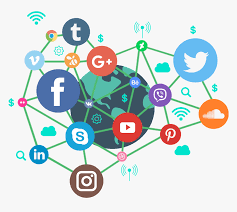
The primary goals of a social media marketing campaign are to build brand awareness and establish trust. As you go deeper into social media marketing, you can use it to obtain leads and as a direct marketing or sales channel. Promoted posts and tweets are two examples of social media marketing. Today, nearly 7 in 10 shoppers report using social media for either shopping inspiration or to make purchases directly, demonstrating the deep connection platforms have with the consumer buying journey.1
Affiliate Marketing
Affiliate marketing predates many modern digital channels but has expanded significantly online. In affiliate marketing, companies and individual “influencers” promote another company’s products and get a commission every time a sale is made or a fresh lead is added to their list. Many well-known companies, including Amazon, have affiliate programs that pay out millions of dollars to affiliates that help sell their products.
Video Marketing
A lot of internet users turn to sites like YouTube before making a buying decision, to learn how to do something, to read a review, or just to relax. Marketers can use any of several video marketing platforms, including Facebook Videos, Instagram, and TikTok, to run a video marketing campaign. Companies find the most success with video by integrating it with SEO, content marketing, and broader social media marketing campaigns.
Text Messaging
Companies use text messages (SMS) to share news about products and promotions. Nonprofit organizations and political candidates also use texting to promote themselves and solicit donations. Today many marketing campaigns make it possible for consumers to make a payment or donation via a simple text message.
Key Performance Indicators (KPIs) in Digital Marketing
Digital marketers use key performance indicators (KPIs) just like traditional marketers. KPIs let them measure the long-term performance of their marketing initiatives and compare those to their competitors’ efforts.
The following are some of the most common KPIs that marketers can use to gauge how well they’re doing:
- Click-through rate: This KPI is commonly used to measure the effectiveness of online advertising, by counting the number of people who clicked on a particular ad as a percentage of all the people who might have seen it.
- Conversion rate: The conversion rate goes even further than the click-through rate to compare the percentage of people who took some desired action, such as making a purchase, to the total audience that a particular ad or promotion reached.
- Social media traffic: This tracks how many people interact with a company’s social media profiles. It includes likes, follows, views, shares, and/or other measurable actions.
- Website traffic: This metric tracks how many people visit a company’s website during a given time period. Among other uses, it can help companies judge how effective their marketing efforts are at driving consumers to their site.
Digital marketers use key performance indicators (KPIs) just like traditional marketers. KPIs let them measure the long-term performance of their marketing initiatives and compare those to their competitors’ efforts.
The following are some of the most common KPIs that marketers can use to gauge how well they’re doing:
- Click-through rate: This KPI is commonly used to measure the effectiveness of online advertising, by counting the number of people who clicked on a particular ad as a percentage of all the people who might have seen it.
- Conversion rate: The conversion rate goes even further than the click-through rate to compare the percentage of people who took some desired action, such as making a purchase, to the total audience that a particular ad or promotion reached.
- Social media traffic: This tracks how many people interact with a company’s social media profiles. It includes likes, follows, views, shares, and/or other measurable actions.
- Website traffic: This metric tracks how many people visit a company’s website during a given time period. Among other uses, it can help companies judge how effective their marketing efforts are at driving consumers to their site.